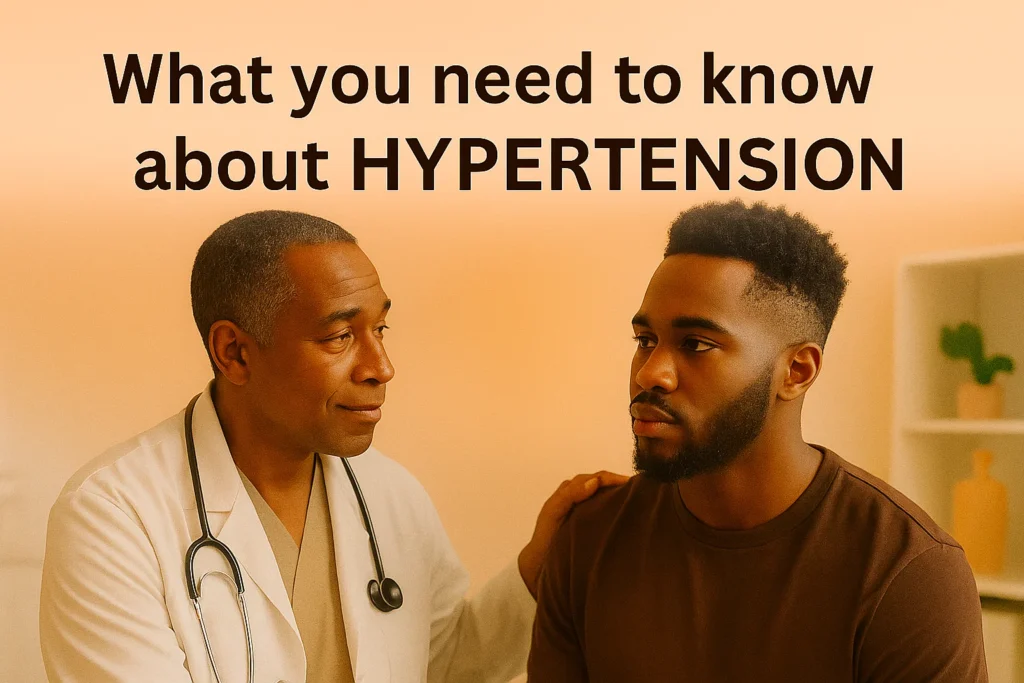
Hypertension: The Silent Threat You Shouldn’t Ignore
High blood pressure, also known as hypertension, is one of the most common health conditions worldwide — and one of the most dangerous when left untreated. What makes hypertension especially concerning is that it often has no obvious symptoms, yet it can quietly damage your body over time.
What is Hypertension?
Blood pressure is the force of blood pushing against the walls of your arteries. When this pressure stays too high for too long, it’s called hypertension.
A normal blood pressure reading is usually below 120/80 mmHg. Consistently higher readings may indicate hypertension and require medical attention.
Why is Hypertension Dangerous?
Hypertension is often called the “silent killer” because many people feel perfectly fine while damage is happening internally. If uncontrolled, it can lead to:
- Heart disease and heart attacks
- Stroke
- Kidney disease
- Vision problems
- Erectile dysfunction
- Memory and concentration issues
What Causes High Blood Pressure?
Several factors can increase your risk, including:
- Family history
- High salt intake
- Overweight or obesity
- Lack of physical activity
- Smoking
- Excessive alcohol use
- Chronic stress
- Certain medical conditions (like diabetes or kidney disease)
As we age — especially during midlife and menopause — the risk of hypertension increases, making regular checks even more important.
Signs and Symptoms
Most people with hypertension experience no symptoms. However, when blood pressure is very high, some may notice:
- Headaches
- Dizziness
- Shortness of breath
- Chest discomfort
- Blurred vision
These symptoms should never be ignored.
How is Hypertension Diagnosed?
The only way to know your blood pressure status is through regular monitoring. A single high reading doesn’t always mean hypertension — your healthcare provider may take multiple readings over time before making a diagnosis.
Managing and Preventing Hypertension
The good news is that hypertension can be managed and controlled. Treatment may include:
- Lifestyle changes such as healthier eating, weight management, and regular exercise
- Reducing salt intake
- Managing stress
- Quitting smoking
- Limiting alcohol
- Medication, when prescribed by a doctor
Early detection and consistent management significantly reduce the risk of complications.
Take Control of Your Health
Checking your blood pressure regularly is one of the simplest yet most powerful steps you can take for your long-term health. If you haven’t had your blood pressure checked recently, make it a priority.
Your health is your responsibility — but you don’t have to manage it alone. Our healthcare team is here to support you with screening, guidance, and treatment tailored to your needs.


Hi, this is a comment.
To get started with moderating, editing, and deleting comments, please visit the Comments screen in the dashboard.
Commenter avatars come from Gravatar.